
Social Media Marketing Strategy 2026: The Complete Guide for Kenyan Businesses
Complete social media marketing strategy guide for Kenyan businesses 2026. Expert tips on Facebook, Instagram, TikTok, WhatsApp + local SEO. Free guide.


What is Social Media Marketing?
Social media marketing (SMM) is the strategic use of social platforms like Facebook, Instagram, TikTok, LinkedIn, X (formerly Twitter), and WhatsApp to connect with your target audience, build brand awareness, drive website traffic, and increase sales.
For Kenyan businesses, social media marketing means more than posting content. It involves:
- Understanding the unique behaviours of East African consumers
- Creating content that resonates with local culture and values
- Leveraging mobile-first strategies for a market where 98% of internet access is via smartphone
- Building authentic relationships with customers in Nairobi, Mombasa, Kisumu, and beyond
- Converting social engagement into real business outcomes
Social media marketing in Kenya requires understanding that your audience is sophisticated, mobile-savvy, and increasingly discerning about the brands they engage with.
Why Social Media Marketing Matters for Kenyan Businesses in 2026
The digital landscape in East Africa is undergoing rapid transformation. Here’s why social media marketing is no longer optional for Kenyan businesses:
Kenya’s Digital Reality
- Internet penetration: 48.0% of Kenyans (approximately 27.4 million people) are active internet users
- Social media users: 15.1 million active social media users in Kenya
- Mobile dominance: 98% of internet access happens via mobile devices
- Mobile (SIM) penetration: 145.3% as of Q3 2024/25 (76.16 million subscriptions)
- Mobile broadband subscriptions: 44.44 million
- Smartphones: 42.35 million (80.8% penetration)
- Feature phones: 32.5 million (62.2% penetration)
- M-Pesa revolution: M-Pesa handled over 30 billion transactions in 2024 valued at approximately KES 40 trillion ($309.4 billion)
- Young population: 75% of Kenya’s population is under 35, making social media their primary information source
The Business Impact
Kenyan consumers increasingly discover products, research businesses, and make purchasing decisions through social media. A strong social presence is essential for:
- Brand discovery: 67% of Kenyan urban consumers discover new brands on social media
- Trust building: Local businesses with active social profiles are perceived as more credible
- Customer service: Kenyans expect brands to respond on social media within hours, not days
- Competitive advantage: Many SMEs in Kenya still underutilize social media, creating opportunities for early adopters
- Cost-effective reach: Social media offers the lowest cost-per-reach compared to traditional media in Kenya

What is a Social Media Marketing Strategy?
A social media marketing strategy is a comprehensive plan that outlines your social media goals, the tactics you’ll use to achieve them, and the metrics you’ll track to measure success. It’s your roadmap for turning social media activity into business results.
A well-defined strategy includes:
- Clear objectives aligned with business goals
- Target audience personas specific to the Kenyan market
- Platform selection based on where your audience spends time
- Content pillars that reflect your brand values and customer needs
- Publishing schedule optimized for East African time zones
- Engagement protocols for community management
- Performance metrics and KPIs
- Budget allocation for organic and paid efforts
Without a strategy, you’re simply posting content and hoping for results. With a strategy, every post serves a purpose.
Benefits of Social Media Marketing for East African Businesses
Reach Your Audience Where They Already Are
Kenyans spend an average of 4 hours and 19 minutes daily on social media ranking 1st globally. Your potential customers are scrolling through Facebook during their matatu commute, watching TikTok during lunch breaks, and checking WhatsApp Status updates in the evening.
The extended time means more opportunities for brand exposure, higher engagement potential, multiple touchpoints during the day. Social media marketing puts your brand directly in their daily routine.
Build Trust Through Authentic Engagement
In Kenyan business culture, relationships matter. Social media allows you to:
- Showcase your team and company culture
- Respond to customer queries in real-time
- Share behind-the-scenes content that humanizes your brand
- Highlight customer testimonials and success stories
- Demonstrate thought leadership in your industry
Drive Cost-Effective Customer Acquisition
Traditional advertising in Kenya (TV, radio, billboards) requires significant investment. Social media marketing offers:
- Lower entry costs for SMEs
- Precise targeting based on location, interests, and behaviors
- Measurable ROI on every shilling spent
- Ability to start small and scale based on results
- Access to audiences in Nairobi, Mombasa, Kisumu, Eldoret, and rural areas simultaneously
Enable Social Commerce
With M-Pesa integration and platforms like Facebook Shops and Instagram Shopping, Kenyan businesses can:
- Sell directly through social platforms
- Reduce friction in the buying process
- Reach customers who prefer mobile-first shopping
- Accept payments instantly via mobile money
- Provide seamless customer experiences from discovery to purchase
Gain Competitive Intelligence
Social media provides real-time insights into:
- What your competitors are doing
- How customers respond to different content types
- Trending topics in your industry
- Gaps in the market you can fill
- Customer pain points and desires
Support Local SEO Efforts
Social media signals contribute to local search visibility. When your business has:
- Consistent NAP (Name, Address, Phone) across platforms
- Active engagement and reviews
- Content that includes local keywords (Nairobi, Kenya, East Africa)
- Links back to your website
You strengthen your position in Google’s local search results, helping customers find you when they search for services “near me” or in specific Kenyan locations.

How to Create a Social Media Marketing Strategy: Step-by-Step Guide
Step 1: Define Your Goals and KPIs
Start with clarity on what you want to achieve. Your social media goals should align with your overall business objectives and follow the SMART framework (Specific, Measurable, Achievable, Relevant, Time-bound).
Common goals for Kenyan businesses:
- Brand awareness: Increase followers by 50% in Nairobi within 6 months
- Lead generation: Generate 100 qualified leads per month from LinkedIn
- Website traffic: Drive 1,000 monthly visitors from social media to your website
- Sales: Achieve KES 500,000 in social commerce revenue quarterly
- Customer service: Respond to 95% of inquiries within 2 hours
- Community building: Grow WhatsApp community to 500 engaged members
Key Performance Indicators (KPIs) to track:
- Engagement rate (likes, comments, shares, saves)
- Reach and impressions
- Follower growth rate
- Click-through rate (CTR)
- Conversion rate
- Cost per lead/acquisition
- Customer sentiment
- Response time and resolution rate
Step 2: Research Your Target Audience
Understanding your Kenyan audience requires going beyond basic demographics. Create detailed buyer personas that include:
Demographics:
- Age range (e.g., 25-35 young professionals in Nairobi)
- Location (urban vs. peri-urban vs. rural)
- Income level and spending power
- Education and occupation
- Language preferences (English, Kiswahili, Sheng)
Psychographics:
- Values and beliefs
- Lifestyle and interests
- Pain points and challenges
- Goals and aspirations
- Media consumption habits
Digital behaviours:
- Preferred social platforms
- Peak online activity times
- Content consumption preferences (video, images, text)
- Device usage patterns
- Purchase decision journey
Example Persona: “Wanjiku the Small Business Owner”
- Age: 32, Female
- Location: Westlands, Nairobi
- Business: Boutique clothing store
- Goals: Expand customer base, build brand recognition
- Pain points: Limited marketing budget, time constraints, unclear ROI
- Social media habits: Active on Instagram and Facebook, checks WhatsApp Business multiple times daily, watches TikTok in evenings
- Content preferences: Visual content, success stories, practical tips
- Language: English with occasional Kiswahili phrases
Step 3: Conduct a Competitive Analysis
Analyze 3-5 competitors in your industry to understand:
- Which platforms they use most effectively
- Content types that generate high engagement
- Posting frequency and timing
- Tone of voice and messaging
- Gaps in their strategy you can exploit
- Customer complaints or unmet needs
Tools for competitive analysis:
- Manual observation of competitor profiles
- Social media listening tools
- Google Alerts for brand mentions
- Industry reports and publications

Step 4: Choose Your Social Media Platforms
Not every platform suits every business. Select platforms based on where your target audience spends time and the nature of your business.
Platform recommendations for Kenyan businesses:
Facebook
- Largest user base in Kenya (over 16.4 million users)
- Best for: B2C businesses, community building, local targeting
- Content types: Videos, images, links, Stories, Live
- Ideal for: Retail, hospitality, real estate, healthcare, education
- Growing rapidly among 18-34 age group
- Best for: Visual brands, lifestyle businesses, e-commerce
- Content types: Photos, Reels, Stories, Carousels, IGTV
- Ideal for: Fashion, beauty, food & beverage, travel, fitness
TikTok
- Fastest-growing platform in Kenya
- Best for: Youth engagement, viral content, brand personality
- Content types: Short-form video (15-60 seconds)
- Ideal for: Entertainment, education, trends, youth-focused brands
- Primary B2B platform in East Africa
- Best for: Professional services, thought leadership, recruitment
- Content types: Articles, posts, documents, videos
- Ideal for: Consulting, finance, technology, HR, corporate services
WhatsApp Business
- Dominant messaging platform in Kenya
- Best for: Direct customer communication, personalized service
- Content types: Status updates, broadcast lists, catalogs
- Ideal for: All businesses seeking direct customer relationships
X (Twitter)
- Popular for news and real-time updates
- Best for: Customer service, thought leadership, trending topics
- Content types: Short text, images, threads, Spaces
- Ideal for: Media, politics, technology, customer support
YouTube
- Second-largest search engine globally
- Best for: Long-form educational content, tutorials, brand storytelling
- Content types: Videos, Shorts, Live streams
- Ideal for: Education, how-to content, product demonstrations
Step 5: Develop Your Content Strategy
Your content strategy should balance value delivery with business objectives. Use the 80/20 rule: 80% of content should educate, entertain, or inspire, while 20% directly promotes your products or services.
Content pillars for Kenyan businesses:
- Educational content: Tips, how-tos, industry insights
- Entertainment: Humor, trending topics, relatable content
- Inspirational: Success stories, motivational content
- Behind-the-scenes: Company culture, team highlights, processes
- User-generated content: Customer testimonials, reviews, photos
- Promotional: Product features, offers, announcements
Content formats that perform well in Kenya:
- Short-form video: Reels, TikToks, YouTube Shorts (highest engagement)
- Storytelling posts: Personal narratives, customer journeys
- Infographics: Data visualization, step-by-step guides
- Carousels: Educational slides, product showcases
- Live video: Q&As, product launches, events
- User-generated content: Customer photos, testimonials
Local content considerations:
- Incorporate Kenyan cultural references and humor
- Use appropriate language mixing (English, Kiswahili, Sheng where suitable)
- Reference local events, holidays, and trends
- Highlight local success stories and case studies
- Address challenges specific to Kenyan consumers
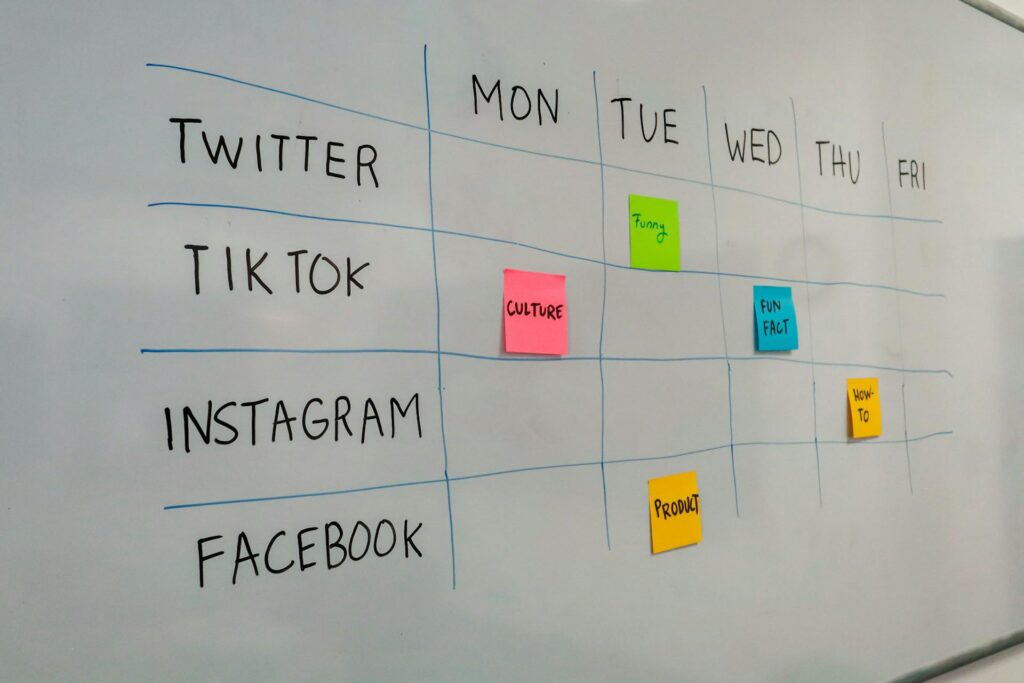
Step 6: Create a Content Calendar
A content calendar ensures consistency and strategic planning. Include:
Publishing schedule: Optimal times for your audience (typically 7-9 AM, 12-2 PM, 7-9 PM EAT)
Content mix: Balance of content types and pillars
Platform-specific adaptations: Tailored content for each platform
Key dates: Kenyan holidays, industry events, awareness days
Campaign planning: Product launches, promotions, seasonal content
Important dates for Kenyan content calendar:
Jamhuri Day (December 12)
Mashujaa Day (October 20)
Madaraka Day (June 1)
Easter and Christmas seasons
Back-to-school periods (January, May, September)
Safari Rally season
World Tourism Day (September 27)
Step 7: Establish Your Brand Voice
Your brand voice should be consistent across all platforms while adapting to each platform’s culture. Define:
- Tone: Professional, friendly, authoritative, casual, inspirational
- Language: Formal English, conversational English, Kiswahili integration
- Personality traits: Helpful, innovative, trustworthy, approachable
- Prohibited content: Political statements, controversial opinions, competitors
Example brand voice guidelines:
“Nairobi Marketing speaks with authority and warmth. We’re experts who make complex marketing concepts accessible. We use professional English with occasional Kiswahili phrases that resonate with our Kenyan audience. We’re encouraging, not condescending. We celebrate wins and acknowledge challenges authentically.”
Step 8: Plan Your Engagement Strategy
Social media is a two-way conversation. Your engagement strategy should include:
- Response time goals: Aim for under 2 hours during business hours
- Escalation procedures: When to involve management or other departments
- Crisis communication protocol: How to handle negative feedback or PR issues
- Community guidelines: Rules for your community spaces
- Proactive engagement: Commenting on relevant posts, joining conversations
Engagement best practices:
- Respond to every comment and message
- Use the commenter’s name when possible
- Provide helpful, complete answers
- Show appreciation for positive feedback
- Address complaints professionally and offer solutions
- Take sensitive issues to private messages
- Encourage user-generated content
Step 9: Allocate Budget and Resources
Determine your investment in:
Organic efforts:
- Content creation (graphics, videos, copywriting)
- Community management time
- Tools and software subscriptions
- Training and skill development
Paid advertising:
- Facebook/Instagram Ads
- LinkedIn Sponsored Content
- TikTok Ads
- Influencer partnerships
- Boosted posts
Budget allocation recommendations:
- Small businesses (SMEs): KES 20,000-50,000/month
- Focus on organic content with minimal paid boost
- Prioritize 1-2 platforms
- Consider micro-influencer partnerships
- Medium businesses: KES 50,000-200,000/month
- Mix of organic and paid strategies
- 3-4 platforms with consistent presence
- Regular influencer collaborations
- Professional content creation
- Large businesses: KES 200,000+/month
- Comprehensive multi-platform strategy
- Significant paid advertising budget
- Professional agency support
- Advanced tools and analytics
Step 10: Measure, Analyze, and Optimize
Regular analysis ensures your strategy delivers results. Establish:
Weekly metrics review:
- Engagement rates across platforms
- Follower growth
- Top-performing content
- Response times
Monthly analysis:
- Goal progress tracking
- Content performance patterns
- Audience insights and growth
- Budget efficiency
- Competitor benchmarking
Quarterly strategy review:
- Overall ROI assessment
- Strategy adjustments based on data
- New platform or tactic evaluation
- Goal refinement
Tools for analytics:
- Native platform insights (Facebook Insights, Instagram Analytics)
- Google Analytics for website traffic
- Spreadsheets for custom tracking
- Social media management platforms
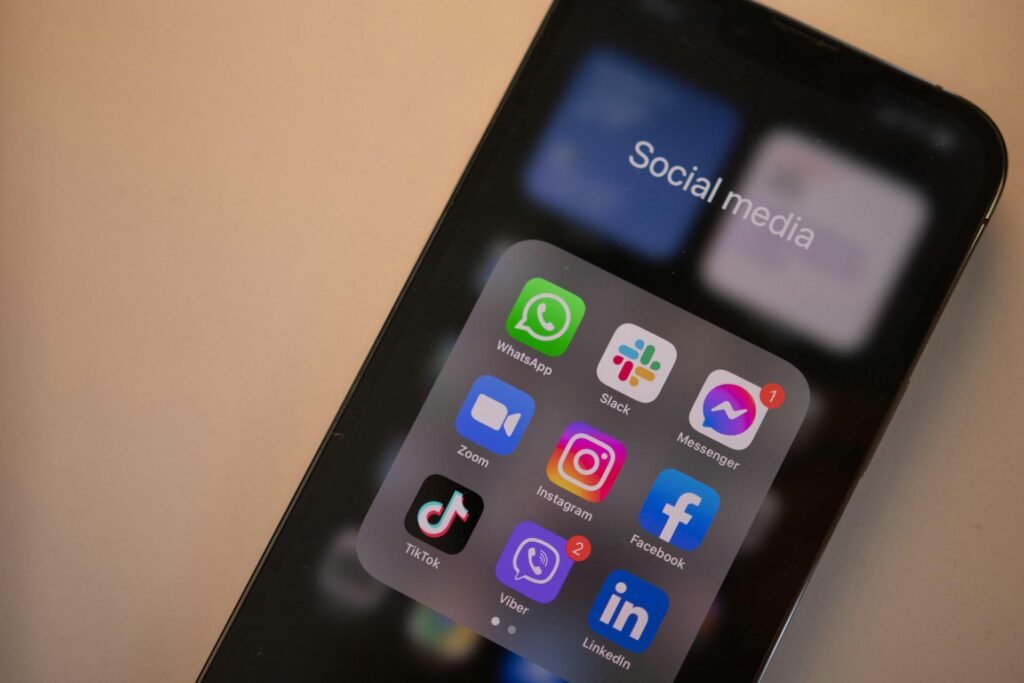
Social Media Platforms for the Kenyan Market
Understanding each platform’s unique characteristics helps you create platform-native content that resonates with Kenyan audiences.
Facebook in Kenya
User base: 16.4+ million (63.2%) active users
Primary demographics: 25-44 years old, urban and peri-urban
Best uses: Community building, local business pages, customer service, events
Facebook strategy for Kenyan businesses:
- Maintain a complete, optimized Business Page
- Post 3-5 times per week
- Use Facebook Groups to build community
- Leverage Facebook Marketplace for e-commerce
- Invest in targeted Facebook Ads for local reach
- Utilize Facebook Live for product launches and Q&As
- Encourage and respond to reviews
- Create location-specific content for different Kenyan cities
Content that works:
- Video content (especially Live)
- Customer testimonials and success stories
- Behind-the-scenes company content
- Local event coverage
- Educational posts with clear value
- Polls and questions that spark discussion
Instagram in Kenya
User base: 3.5 (12.7%) million active users
Primary demographics: 18-34 years old, urban, higher income
Best uses: Visual branding, product showcase, influencer marketing, e-commerce
Instagram strategy for Kenyan businesses:
- Maintain a visually cohesive feed aesthetic
- Post Reels consistently (algorithm favors video)
- Use Stories daily for engagement
- Leverage Instagram Shopping features
- Partner with Kenyan influencers and content creators
- Use location tags for local discovery
- Engage with relevant hashtags (both global and Kenyan-specific)
- Respond to DMs promptly
Kenyan Instagram hashtags to consider:
#NairobiNights, #MadeInKenya, #KenyanBusiness, #SupportLocal254, #NairobiFashion, #KenyanFood, #ExploreKenya, #254Business, ndustry-specific tags
Content that works:
- High-quality product photography
- Reels showcasing products or services
- Behind-the-scenes Stories
- User-generated content reposts
- Carousel posts with tips or information
- Influencer collaborations
- Before/after transformations
TikTok in Kenya
User base: Rapidly growing, millions of active users (28.4%)
Primary demographics: 16-30 years old, entertainment-focused
Best uses: Brand awareness, viral marketing, youth engagement, trend participation
TikTok strategy for Kenyan businesses:
- Create authentic, entertaining short-form videos
- Jump on trending sounds and challenges quickly
- Show personality and humor
- Post 1-3 times daily for algorithm favor
- Engage with comments and create response videos
- Collaborate with Kenyan TikTok creators
- Use trending hashtags and create branded ones
- Balance entertainment with subtle brand messaging
Content that works:
- Trending sounds with business twist
- Day-in-the-life content
- Product demonstrations with personality
- Educational content in entertaining format
- Behind-the-scenes office culture
- Customer reaction videos
- Transition videos showcasing products/services
LinkedIn in Kenya
User base: 3+ million professionals
Primary demographics: 25-54 years old, professionals, decision-makers
Best uses: B2B marketing, thought leadership, recruitment, professional networking
LinkedIn strategy for Kenyan businesses:
- Optimize company page with complete information
- Share industry insights and thought leadership
- Post 2-4 times per week
- Encourage employee advocacy and sharing
- Publish long-form articles on relevant topics
- Engage meaningfully in comments
- Join and participate in Kenyan professional groups
- Showcase company culture and achievements
Content that works:
- Industry analysis and insights
- Business success stories and case studies
- Professional development tips
- Company milestones and achievements
- Employee spotlights
- Event recaps and conference insights
- Data-driven posts with statistics
- Thought leadership on East African business trends
WhatsApp Business in Kenya
User base: Dominant messaging platform with majority market share
WhatsApp usage: 52.9% of internet users in Q3 2024/25 (up from 48.5% in Q4 2023/24)
Primary demographics: All age groups, ubiquitous usage
Best uses: Direct customer communication, customer service, personalized marketing
WhatsApp Business strategy:
- Set up complete business profile
- Create product catalog
- Use quick replies for common questions
- Implement automated greeting and away messages
- Build and segment contact lists
- Share valuable content via Status updates
- Provide personalized customer service
- Use broadcast lists strategically (avoid spam)
- Integrate with M-Pesa for seamless transactions
Best practices:
- Respect customer privacy and preferences
- Provide value, not just promotional messages
- Respond quickly to inquiries
- Use WhatsApp Status for daily engagement
- Create WhatsApp groups for loyal customers (with permission)
- Offer exclusive deals to WhatsApp subscribers

Content Strategies That Work in East Africa
Creating content that resonates with Kenyan audiences requires understanding local culture, communication styles, and preferences.
Storytelling: Your Most Powerful Tool
Kenyan audiences connect deeply with authentic stories. Use storytelling to:
- Share your brand origin story
- Highlight customer success journeys
- Document your business challenges and wins
- Showcase the human side of your company
- Create emotional connections that transcend transactions
Storytelling framework:
- Hook: Capture attention in first 3 seconds
- Context: Set the scene with relatable situation
- Conflict: Present the challenge or problem
- Journey: Show the process or transformation
- Resolution: Reveal the outcome or lesson
- Call to action: Guide next steps
Local-First Content
Prioritize content that reflects Kenyan experiences:
- Reference local landmarks and locations
- Address challenges specific to Kenyan businesses
- Celebrate Kenyan achievements and culture
- Use appropriate language mixing
- Feature local customers and partners
- Highlight your contribution to the local economy
The Rise of Comfort Creators
In an era of overstimulation and information overload, Kenyan audiences gravitate toward “comfort creators” – content that feels like conversation with a trusted friend. This means:
- Speaking naturally, not performatively
- Sharing expertise without arrogance
- Acknowledging imperfections and learning moments
- Creating content that educates while entertaining
- Building parasocial relationships based on authenticity
Video-First Strategy
Video dominates social media engagement in Kenya:
- Short-form video (15-60 seconds): Highest engagement, algorithm preference
- Live video: Real-time connection, authenticity, Q&A opportunities
- Stories: Casual, behind-the-scenes, daily engagement
- Long-form video: Deep dives, tutorials, thought leadership
Video content tips:
- Hook viewers in first 3 seconds
- Use captions (many watch without sound)
- Optimize for vertical viewing (mobile-first)
- Include clear calls to action
- Maintain consistent quality (doesn’t need to be expensive)
- Show real people, real situations
User-Generated Content (UGC)
Encourage and leverage customer-created content:
- Create branded hashtags for customers to use
- Feature customer photos and testimonials
- Run UGC contests and campaigns
- Respond to and share positive mentions
- Build social proof through authentic customer voices
Written Content Renaissance
While video dominates, written content remains valuable:
- Threads (on X and Meta): Short-form written thoughts gaining traction
- LinkedIn articles: Professional insights and thought leadership
- Blog posts: SEO value, comprehensive information
- Newsletters: Direct communication, owned audience
- WhatsApp Status text: Quick updates and engagement
Kenyan audiences appreciate written content that’s:
- Scannable with clear headers
- Practical and actionable
- Written in conversational tone
- Optimized for mobile reading
- Shareable and valuable

Local SEO and Social Media Integration
For Kenyan businesses targeting local customers, integrating social media with local SEO creates powerful synergies.
Why Local SEO Matters
When Kenyans search for services, they often include location terms:
“Digital marketing agency Nairobi”
“Best restaurant Westlands”
“Affordable salon Kilimani”
Your social media presence strengthens local search visibility.
Integration Strategies
Consistent NAP (Name, Address, Phone):
Ensure your business name, address, and phone number are identical across:
- Google Business Profile
- Facebook Page
- Instagram Bio
- LinkedIn Company Page
- Website
- All other online listings
Location Tagging:
- Tag your location in every relevant post
- Use geo-specific hashtags
- Mention neighborhoods and areas you serve
- Create location-based content
Local Keywords in Social Content: Naturally incorporate terms like:
- City names (Nairobi, Mombasa, Kisumu, Eldoret)
- Neighborhoods (Westlands, Kilimani, Karen, Lavington)
- Regional terms (East Africa, Kenya, 254)
- Service + location combinations
Google Business Profile and Social Media:
- Link social profiles to Google Business Profile
- Share Google reviews on social media
- Post Google Business updates aligned with social content
- Encourage reviews across all platforms
Local Content Creation:
- Feature local landmarks in content
- Cover local events and news
- Collaborate with other local businesses
- Create guides specific to Kenyan locations
- Share local success stories and case studies
Mobile-First Local Strategy
Given Kenya’s mobile-first internet usage:
- Ensure website is mobile-responsive
- Optimize loading speed for Kenyan network conditions
- Use click-to-call buttons
- Enable WhatsApp messaging from all touchpoints
- Simplify contact and conversion processes

Common Social Media Marketing Mistakes to Avoid
Learning from common pitfalls saves time and resources:
- Inconsistent Posting
The mistake: Posting sporadically without a consistent schedule.
Why it hurts: Algorithms favor consistent creators. Irregular posting reduces reach and confuses followers about when to expect content.
The fix: Create a realistic content calendar and stick to it. Use scheduling tools. Start with a sustainable frequency (e.g., 3x per week) rather than overcommitting. - Ignoring Engagement
The mistake: Posting content but not responding to comments or messages.
Why it hurts: Social media is a conversation, not a broadcast. Ignoring engagement damages trust and signals poor customer service.
The fix: Dedicate time daily for community management. Respond to every comment and message. Show appreciation for engagement. - Over-Promotional Content
The mistake: Every post is a sales pitch.
Why it hurts: Audiences disengage from brands that only ask for money without providing value.
The fix: Follow the 80/20 rule. Focus on value delivery. Earn the right to promote by building relationship first. - Copying Competitors Without Strategy
The mistake: Replicating what competitors do without understanding why.
Why it hurts: What works for one brand may not work for another. You lose your unique voice and positioning.
The fix: Analyze competitors for insights, but develop strategy based on your unique strengths, audience, and goals. - Neglecting Analytics
The mistake: Posting without reviewing performance data.
Why it hurts: You waste resources on content that doesn’t work and miss opportunities to double down on what does.
The fix: Review analytics weekly. Identify patterns. Optimize based on data, not assumptions. - Platform Mismatch
The mistake: Being on every platform without strategy or spreading too thin.
Why it hurts: Mediocre presence on 7 platforms is less effective than excellent presence on 2-3.
The fix: Focus on platforms where your audience actually is. Master fewer platforms before expanding. - Ignoring Local Context
The mistake: Using generic content that doesn’t reflect Kenyan culture and context.
Why it hurts: Content feels disconnected and inauthentic to local audiences.
The fix: Create content specifically for Kenyan audiences. Use local references, language, and cultural touchpoints. - No Clear Call-to-Action
The mistake: Creating engaging content without guiding next steps.
Why it hurts: Engagement doesn’t convert to business outcomes without direction.
The fix: Every piece of content should have a purpose. Include clear, appropriate CTAs. - Buying Followers
The mistake: Purchasing fake followers to appear popular.
Why it hurts: Fake followers destroy engagement rates, damage credibility, and provide zero business value.
The fix: Focus on organic growth through valuable content and genuine engagement. Real followers, even fewer, are infinitely more valuable. - Ignoring Negative Feedback
The mistake: Deleting negative comments or ignoring complaints.
Why it hurts: Damages trust, escalates issues, and creates PR crises.
The fix: Address negative feedback professionally and promptly. Turn complaints into opportunities to demonstrate excellent customer service.
Tools for Social Media Marketing in Kenya
The right tools streamline your social media marketing efforts:
Content Creation Tools
Social Media Post Generator a tool to quickly generate optimized social media post ideas and captions for your campaigns.
Canva
- User-friendly graphic design
- Templates for all social platforms
- Free tier available
- Brand kit for consistency
CapCut
- Mobile video editing
- Trending effects and templates
- Free to use
- Perfect for Reels and TikToks
Adobe Creative Suite
- Professional-grade design tools
- Industry standard
- Higher learning curve
- Subscription required
Scheduling and Management
Meta Business Suite
- Free from Meta
- Manage Facebook and Instagram
- Schedule posts
- Basic analytics
Hootsuite
- Multi-platform management
- Scheduling and publishing
- Analytics and reporting
- Team collaboration features
Buffer
- Simple scheduling tool
- Clean interface
- Analytics included
- Affordable plans
Later
- Visual content calendar
- Instagram-focused features
- Linkin.bio functionality
- Good for visual planning
Analytics Tools
Google Analytics
- Website traffic analysis
- Social media referral tracking
- Goal conversion monitoring
- Free and comprehensive
Platform Native Analytics
- Facebook Insights
- Instagram Insights
- TikTok Analytics
- LinkedIn Analytics
- X Analytics
Sprout Social
- Comprehensive social analytics
- Competitor benchmarking
- Custom reporting
- Higher price point
Social Listening
Google Alerts
- Free brand monitoring
- Email notifications
- Keyword tracking
- Simple setup
Mention
- Real-time monitoring
- Sentiment analysis
- Competitor tracking
- Multiple sources
Customer Relationship Management
WhatsApp Business API
- Automated messaging
- Customer segmentation
- Integration capabilities
- Scalable communication
HubSpot
- CRM integration
- Social media management
- Lead tracking
- Marketing automation
Local Payment Integration
M-Pesa Integration
- Processes 21 million transactions per day
- 658,669 Lipa Na M-Pesa merchants
- Transaction volume increased 30.6% to 17.09 billion transactions
- Revenue grew 16.6% to KES 77.22 billion
- Essential for Kenyan e-commerce
- Direct payment processing
- Customer convenience
- Various integration options

Measuring ROI and Success Metrics
Demonstrating the business impact of social media marketing is crucial for continued investment and optimization.
Key Metrics to Track
Awareness Metrics:
- Reach (unique accounts that saw your content)
- Impressions (total times content was displayed)
- Follower growth rate
- Brand mentions
- Share of voice (compared to competitors)
Engagement Metrics:
- Engagement rate ((likes + comments + shares + saves) / reach × 100)
- Comments and conversations
- Saves (indicates high value)
- Shares (indicates shareability)
- Video completion rates
Traffic Metrics:
- Website clicks from social media
- Landing page visits
- Blog traffic from social referrals
- Click-through rate (CTR)
Conversion Metrics:
- Leads generated
- Form submissions
- Email sign-ups
- Product purchases
- Revenue attributed to social media
Customer Service Metrics:
- Response time
- Resolution rate
- Customer satisfaction scores
- Reduced support tickets elsewhere
Calculating Social Media ROI
Basic ROI Formula: ROI = (Revenue from Social Media – Cost of Social Media Marketing) / Cost of Social Media Marketing × 100
Example calculation:
Monthly social media costs: KES 100,000 (tools, content creation, ads, staff time)
Revenue attributed to social media: KES 300,000
ROI = (300,000 – 100,000) / 100,000 × 100 = 200%
Attribution challenges: Social media often contributes to sales indirectly. Consider:
- Multi-touch attribution (social as part of customer journey)
- Brand awareness value
- Customer lifetime value from social-acquired customers
- Cost savings in customer service
- Word-of-mouth amplification
Reporting Best Practices
Weekly reports:
- Quick performance snapshots
- Engagement highlights
- Issues requiring attention
Monthly reports:
- Goal progress tracking
- Top-performing content analysis
- Audience growth and insights
- Budget utilization
Quarterly reviews:
- Strategic assessment
- ROI calculation
- Competitor benchmarking
- Strategy adjustments

Future Trends: Social Media Marketing Beyond 2026
Stay ahead by preparing for emerging trends:
AI-Powered Marketing
Artificial intelligence is transforming social media marketing:
- Automated content creation and optimization
- Predictive analytics for content performance
- Personalized customer experiences at scale
- Chatbots for 24/7 customer service
- AI-assisted creative development
How to prepare: Experiment with AI tools, understand their capabilities and limitations, maintain human oversight for authenticity.
Social Commerce Acceleration
Social platforms are becoming complete shopping ecosystems:
- In-app purchasing expands
- Live shopping events gain popularity
- AR product try-ons become standard
- Seamless M-Pesa integration improves
- Social proof drives purchasing decisions
How to prepare: Set up social shopping features, optimize product catalogs, prepare for live commerce opportunities.
Privacy and Data Changes
Evolving privacy regulations and user expectations:
- Cookie-less tracking becomes norm
- First-party data becomes crucial
- Transparency in data usage required
- Users demand control over their data
- Privacy-focused platforms gain traction
How to prepare: Build first-party data strategies, prioritize user consent, focus on value exchange.
Community-Centric Marketing
Shift from broadcast to community:
- Private communities gain importance
- WhatsApp groups and Discord servers
- Facebook Groups for niche interests
- Direct relationships over algorithm dependence
- Micro-communities with high engagement
How to prepare: Build owned communities, focus on depth over breadth, create exclusive value for community members.
Authenticity and Transparency
Audiences increasingly value:
- Real over polished content
- Behind-the-scenes transparency
- Admitting mistakes and learning
- Human faces over corporate facades
- Purpose-driven brand actions
How to prepare: Embrace imperfection, share authentic stories, be transparent about business practices.
Local and Hyperlocal Focus
Global fatigue drives local preference:
- Support for local businesses increases
- Location-based content gains traction
- Community connection over global reach
- Local creators and influencers preferred
- Hyperlocal targeting capabilities improve
How to prepare: Strengthen local positioning, build community connections, emphasize local impact.

Frequently Asked Questions (FAQs)
How much should I budget for social media marketing in Kenya?
Budget depends on your business size and goals. SMEs can start with KES 20,000-50,000 monthly for basic content creation and minimal paid advertising. Medium businesses typically invest KES 50,000-200,000 monthly. Larger companies may spend KES 200,000+ monthly for comprehensive strategies. Start small, measure results, and scale based on ROI.
Which social media platform is best for Kenyan businesses?
There’s no one-size-fits-all answer. Facebook offers the broadest reach in Kenya. Instagram excels for visual brands targeting younger audiences. LinkedIn is essential for B2B. TikTok provides viral potential for youth engagement. WhatsApp Business enables direct customer communication. Choose based on where your specific audience spends time.
How often should I post on social media?
Consistency matters more than frequency. Facebook: 3-5 times per week. Instagram: 3-7 times per week (including Stories daily). TikTok: 1-3 times daily for maximum reach. LinkedIn: 2-4 times per week. WhatsApp Status: Daily updates. Start with sustainable frequency and adjust based on results and capacity.
Should I hire a social media manager or agency?
Consider your resources and expertise. In-house managers offer brand intimacy and quick response but require salary and training. Agencies provide expertise and tools but cost more and may lack deep brand knowledge. Many Kenyan businesses start with hybrid approaches, handling day-to-day management internally while partnering with agencies for strategy and campaigns.
How do I measure the ROI of social media marketing?
Track metrics aligned with your goals: awareness (reach, followers), engagement (likes, comments, shares), traffic (clicks, website visits), and conversions (leads, sales). Use tracking links, UTM parameters, and conversion pixels to attribute revenue. Calculate: (Revenue from Social – Cost of Social) / Cost of Social × 100. Remember that some benefits (brand awareness, customer loyalty) are valuable but harder to quantify directly.
How long before I see results from social media marketing?
Social media marketing is a long-term strategy. Initial engagement improvements may appear within weeks. Meaningful follower growth typically takes 3-6 months. Significant business impact (leads, sales) often requires 6-12 months of consistent effort. Paid advertising can accelerate results but organic growth takes time. Set realistic expectations and focus on steady progress.
Can social media marketing work for B2B businesses in Kenya?
Absolutely. LinkedIn is particularly effective for B2B in Kenya’s professional market. Facebook reaches decision-makers in their personal time. X provides industry thought leadership opportunities. The key is creating content that addresses professional challenges and demonstrates expertise. B2B sales cycles may be longer, but social media effectively builds trust and nurtures relationships.
How do I handle negative comments or reviews on social media?
Respond promptly and professionally. Acknowledge the concern, apologize if appropriate, and offer to resolve the issue. Move sensitive discussions to private messages but maintain public accountability. Never delete legitimate complaints as it damages trust. Turn negative feedback into opportunities to demonstrate excellent customer service. Document complaints to identify patterns requiring business improvements.
Your Path Forward
Social media marketing in 2026 isn’t just about being present on platforms. It’s about creating meaningful connections with your Kenyan audience, delivering consistent value, and building a brand that resonates with local culture and needs.
Success requires:
- Strategy over tactics: Know your goals before choosing your tools
- Consistency over virality: Regular valuable content beats occasional hits
- Authenticity over perfection: Real stories connect more than polished productions
- Local focus over global imitation: Kenyan audiences want content that speaks to them
- Measurement over assumptions: Let data guide your decisions
The Kenyan digital landscape offers tremendous opportunities for businesses willing to invest in understanding their audience and creating content that serves them. Whether you’re a small business in Kisumu, a startup in Nairobi, or an established company looking to strengthen your digital presence across East Africa, social media marketing provides the tools to reach your goals.
Start with clarity on what you want to achieve. Understand who you’re trying to reach. Choose platforms strategically. Create content that provides value. Engage authentically. Measure results. Optimize continuously.
The businesses that will thrive in Kenya’s digital future are those building genuine relationships with their customers today. Your social media presence is your opportunity to do exactly that.
About Nairobi Marketing
We are a full-service digital marketing agency based at Renaissance Centre, Nairobi, serving businesses across East Africa. Our services include social media marketing, SEO, PPC advertising, web design, content marketing, and specialized industry marketing solutions.
With over 10 years of experience in the Kenyan digital landscape, we help businesses in Nairobi, Mombasa, Dar es Salaam, Kampala, and beyond build strong online presences that drive real business results.
Contact us:
Website: www.nairobimarketing.co.ke
Location: Renaissance Centre, Nairobi, Kenya
Services: SEO, Social Media Marketing, PPC, Web Design, Content Marketing