What an AI Visibility Audit Looks Like (With a Real Example)
A step-by-step walkthrough of an AI visibility audit, using our own agency as the example: buyer prompts, sources AI tools rely on, entity consistency, on-site readiness and the action plan that came out of it.
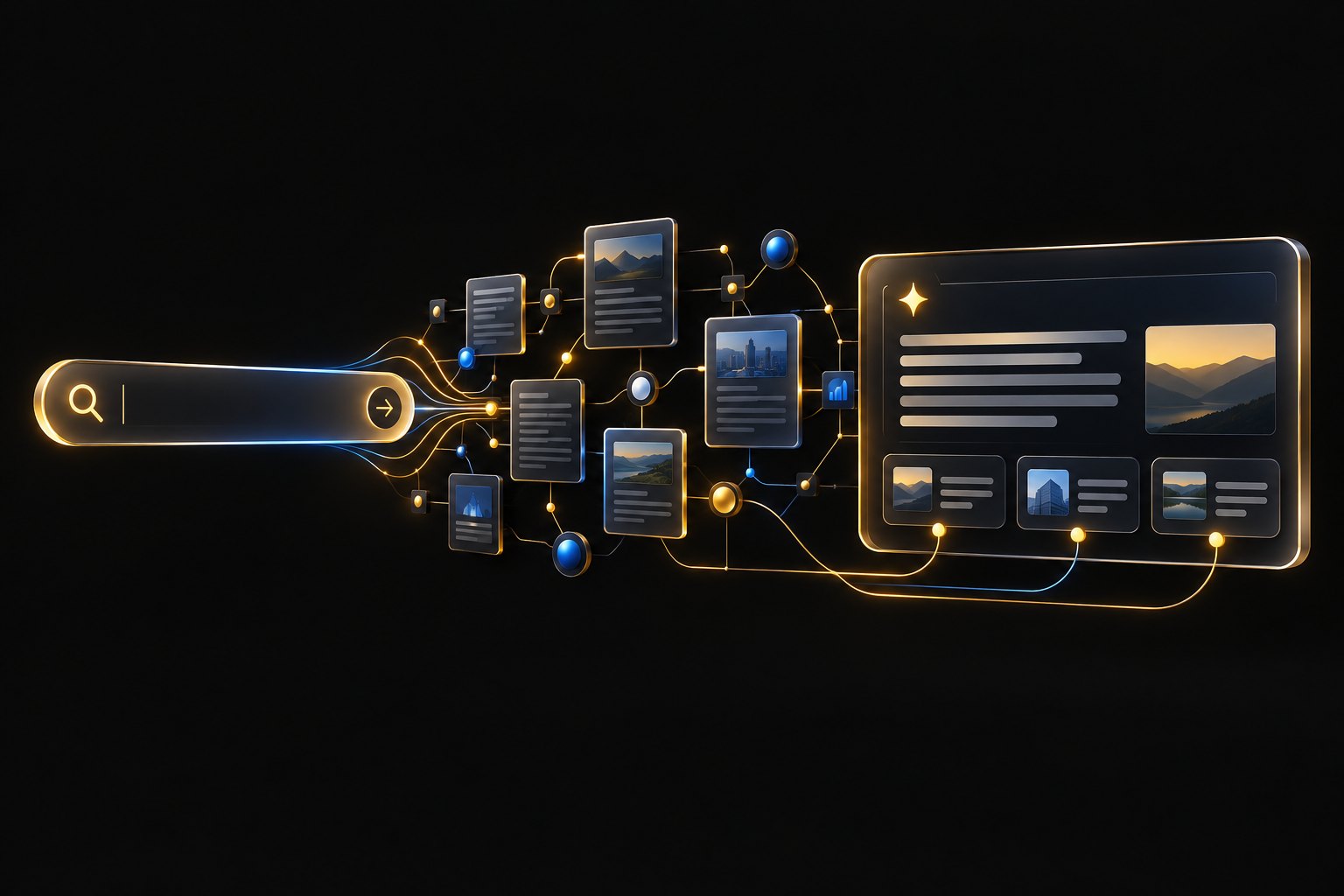
An AI visibility audit answers a simple question: when potential customers ask ChatGPT, Perplexity, Gemini or Google’s AI Overviews about your category, does your business appear, and is it described correctly? It is different from a traditional SEO audit because AI tools draw on a wider mix of sources and care a lot about consistent facts. Below is how we run one, using our own agency as the worked example.
Step 1: Write the buyer prompts
List the questions real buyers ask, in their words. Include broad, specific, regional and comparison questions. For our agency, we used nine prompts, including:
- Best digital marketing agency in Nairobi
- Top PPC or Google Ads agency in Kenya
- Best SEO agency in Kenya 2026
- Safari or tour operator marketing agency in East Africa
- Hotel marketing agency in Kenya
- GEO or AI search agency in Kenya
For a hotel, prompts might be best boutique hotel in Diani or where to stay near the Mara for families. For a law firm, best employment lawyers in Nairobi.
Step 2: Find the sources AI tools read
Run each prompt through the AI tools you care about and through live web search, and record which sources are cited and which businesses they name. Web search results show the retrieval step that AI assistants with browsing use. For our audit we used web search as a proxy, and noted it as a limitation, with live multi-engine testing as a follow-up.
Step 3: Score presence prompt by prompt
For each prompt, record whether you appear, partly appear, or are absent, and which sources drive that. Our results:
| Prompt type | Result | Driven by |
|---|---|---|
| General agency in Nairobi | Present | Clutch, DesignRush and Sortlist profiles |
| PPC / Google Ads in Kenya | Present | Clutch category pages |
| SEO agency in Kenya | Partly | Some directory lists include us, others do not |
| Safari and hotel marketing | Weak or absent | Specialists with tourism industry memberships |
| Web design, GEO | Absent | Lists and publications that did not include us |
Step 4: Check entity consistency
AI tools compare facts across sources. We checked our name, legal name, address, founding year, team size, prices and services across directories and profiles. We found team size and hourly rates described differently on different directories, and that our generic name could be confused with pages about markets in Nairobi. Both reduce how confidently AI tools can describe a business.
Step 5: Check on-site readiness
- Official facts page: we had an /ai-instructions/ page, but it read like a draft without founder, address or prices. We rewrote it as a clear official information page with legal name, founder, address, profiles and a full fee table.
- Crawlability: we found a robots.txt file blocking all crawlers, which also blocks AI crawlers. Fixing it was the single most important change.
- Structured data: Organization and LocalBusiness schema to tie profiles together.
Step 6: Identify citation targets
List the sources that AI tools cited for prompts where you were absent, and how you could earn a place in them: directory profiles to claim, reviews to collect on platforms that rank, publications to pitch with data, and associations to join. For our hospitality prompts, that meant tourism industry memberships and more reviews from hotel and safari clients.
Step 7: Write the action plan
- Fix crawl blocks and technical issues immediately.
- Standardise company facts everywhere.
- Publish or update the official information page.
- Earn presence on the specific lists and directories AI tools cite.
- Publish useful, citable content, such as original data and clear answers.
- Re-test the same prompts every quarter.
The full findings from our test are in which agencies ChatGPT recommends in Kenya.
What it costs
AI visibility work is priced per project after a brief, because the number of prompts, markets and sources varies. See our AI search services, and for background read what generative engine optimisation is.
Frequently asked questions
How is an AI visibility audit different from an SEO audit?
It focuses on the sources AI tools cite, third-party mentions and the consistency of your facts across the web, as well as your own site.
How many prompts should an audit include?
Enough to cover your main services, locations and buyer types, often 10 to 30 for a small or medium business.
Can I run an AI visibility audit myself?
Yes, at a basic level: ask the AI tools your buyers’ questions, note the sources and fix inconsistencies. Tools that test many prompts across engines make it more systematic.
How often should I repeat it?
Quarterly is a good rhythm, because AI answers and their sources change over time.