Itinerary and destination content
Routes, duration, accommodation, inclusions and the price basis should make sense together. Approved trip information helps a traveller understand what is being compared.
Nairobi Marketing is a safari marketing agency in Kenya for tour operators, lodges and camps. We bring together search, advertising, website design and trip content so travellers can compare the experience, understand what is included and ask for a useful quotation. We start with the routes you can deliver, the guests you want to reach and the questions your reservations team already gets. For a Maasai Mara National Reserve trip, show whether the camp is inside the reserve or on an adjoining conservancy.
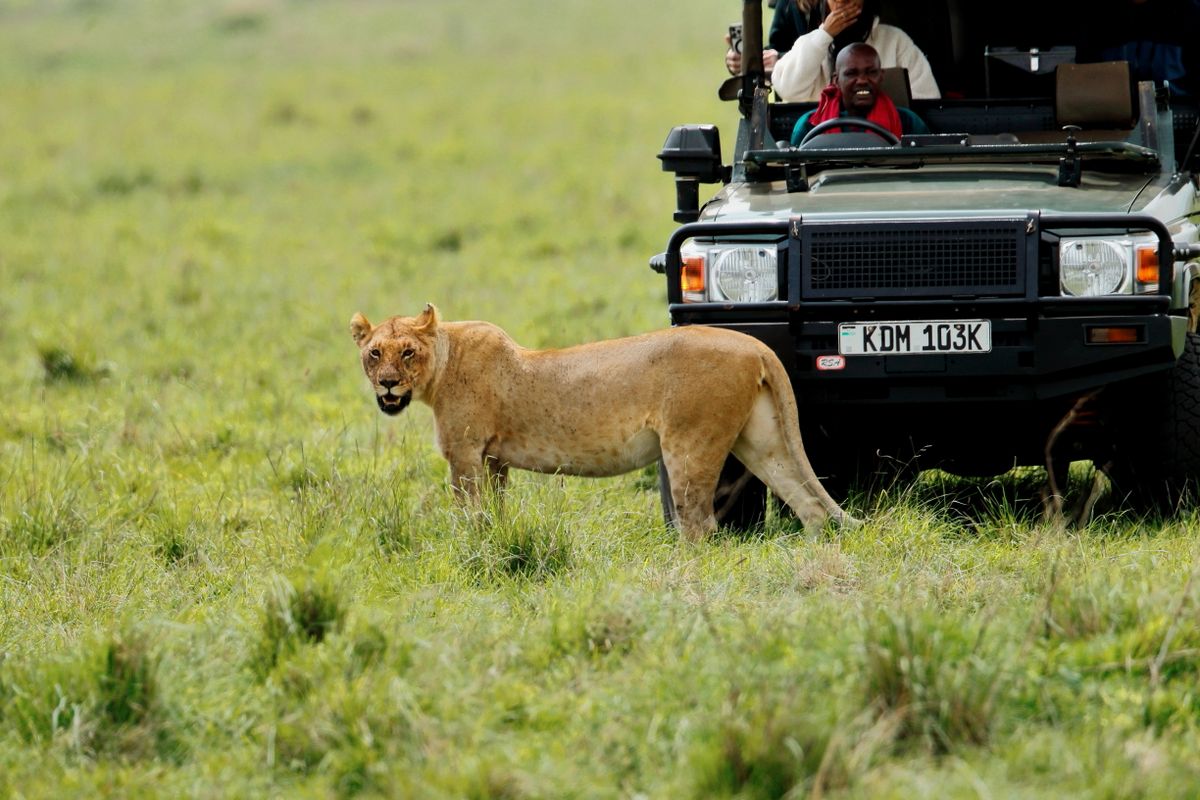

An operator selling a private family safari needs a different explanation from one promoting a shared departure or a specialist photography trip. We establish the product, source market and quotation process before choosing the pages and campaigns.
As a tourism marketing agency, we keep safari marketing tied to the operator’s offer and brand. A wider travel and tourism marketing agency brief may also cover how a safari company presents its trips to the travel trade and guests planning a first visit to Africa.
Routes, duration, accommodation, inclusions and the price basis should make sense together. Approved trip information helps a traveller understand what is being compared.
Trip, destination, season and practical-planning searches can serve different stages of research. We map them to suitable pages rather than asking every article to compete for the same broad safari phrase.
Advertising and content follow the guests you intend to reach. A Kenyan resident offer and an overseas traveller researching a longer trip may need different messages and destinations.
Photographs and videos should represent the accommodation, vehicles and experiences actually relevant to the itinerary. We agree sources, permissions and production needs with the operator.
Dates, party size, traveller needs, preferred route and budget context help your team respond with a relevant proposal. The form should collect useful details without becoming an obstacle.
Search visits, form submissions, qualified trip discussions and confirmed bookings are different outcomes. We use available tracking and sales feedback to review the journey between them.

A safari marketing agency in Kenya can bring these services together around the sale a safari operator needs to make. Start with the channel that can answer the traveller’s next question.
Our SEO services separate a bookable safari from a guide that explains when to travel. Each page answers a different question before it points a traveller to a relevant trip.
Use Google Ads to test demand for a route you can deliver. For conversion, tie each ad to a landing page with dates, inclusions and a useful enquiry form.
Our website design work makes trips easy to compare on mobile. Web design supports conversion when the traveller knows what happens after asking for a quote.
Plan content marketing around itinerary, destination and wildlife questions that influence a booking. Use a consistent brand voice across guides, trip pages and the quote.
Use social media to show what a day on the trip feels like. Start with content your guides can verify and your team can keep producing.
Follow up consented enquiries with a useful reply about availability, route options and inclusions. Keep quote follow-up and marketing permissions separate.
Ask for honest feedback after travel. Use recurring questions about guiding, access and accommodation to improve how the brand explains the trip.
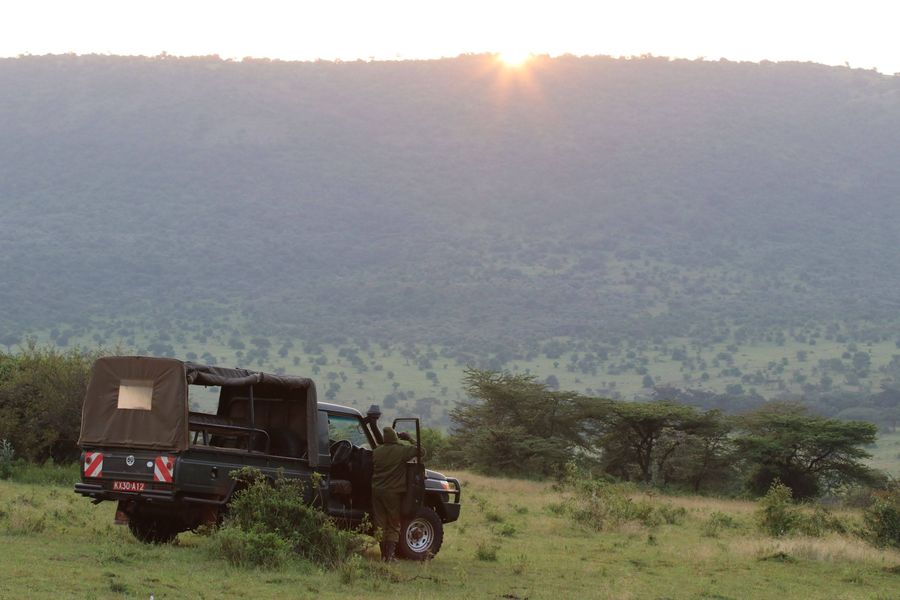
Show what distinguishes a fixed departure from a private trip, including transfer and guiding arrangements.
Explain room types, access and meal plans. Show what a stay includes and what guests can arrange separately.
A destination management company can give travel agents a dedicated path to ask about capacity, contracting and transport.
Help travellers compare luxury and mid-range options using privacy, guiding, accommodation and time in the field.
Explain what a conservation fee supports using information approved by the community or conservancy.
An Amboseli operator can make game-drive timing and pickup information clear.

SafariBookings, Viator and GetYourGuide can put a route in front of travellers at different stages of research. TripAdvisor reviews may shape the shortlist. Compare commission and the cost of servicing an enquiry before comparing marketplace sales with direct bookings.
Make the direct route useful by showing the itinerary, inclusions, price basis and payment steps. A camp or lodge that sells both accommodation and packages can also review its OTA management setup.

Use actual lead times and enquiry quality to decide which offers go live first. Test US arrival information for longer routes, UK school-holiday itineraries and translated inclusions for selected European markets.
In Kenya, use availability, road access and park dates to plan peak and low-season campaigns. Build each campaign around the trip and brand promise your team can deliver.
Good content marketing answers a question that affects a booking: what differs between a game drive and a walking safari, how a photography trip is paced, or where a balloon safari fits. Explain wildlife sightings in context; no guide can guarantee the Big Five.
Use social media to show the trip as it runs. Instagram can show the camp setting, TikTok can answer a packing question, and YouTube can host a guide-led itinerary walkthrough. Build a social media plan that matches your team’s production capacity and the questions travellers ask.
For luxury trips in Kenya, explain what is different about the experience rather than using the label alone. For conservation claims, name the practice you can substantiate. On bush-and-beach trips, say which Kenya wildlife route connects to the coast and how transfers work.
Travellers may use ChatGPT, Gemini or Google AI Overviews before they know which safari company to contact. Publish consistent trip facts and clear answers about routes, accommodation, dates and what is included. Our AI search optimisation work focuses on making that information understandable and verifiable. No tourism marketing agency can guarantee an AI recommendation.
For illustration, a private Kenya-and-Tanzania itinerary may need a clear day-by-day route, accommodation choices, border or transfer arrangements and the basis of the quoted price. A short resident break may need a simpler offer, travel dates and availability route. Those should not inherit identical landing-page copy.
We review the trips, differentiating details, source markets and questions your team handles before a booking.
Commercial itinerary pages own the trip offer. Supporting guides answer useful planning questions and link to relevant journeys, with advertising scoped separately.
Your team checks routes, accommodation, inclusions, availability and current terms. Practical travel information needs appropriate sources and review.
We discuss whether the enquiries match the intended trips and markets, not just whether website visits increased.
Check that the Samburu portion of a proposed route has its own accommodation and guiding details.
Read the Retreat at Ngorongoro SEO case study for a hospitality search example.
The African Tulip Hotel SEO case study shows a separate approach to hotel search visibility.
See the Travel to Alkebulan WordPress case study for an example of organising a travel website around its offer.
Our safari marketing work is scoped around each market. If you sell trips that cross borders, we can help show where one part of the itinerary ends and the next begins.
We work from Renaissance Centre on Elgon Road in Upper Hill, Nairobi. Operators starting trips in Nairobi should distinguish international arrivals at Jomo Kenyatta International Airport from bush flights through Wilson Airport. In Karen, show whether a local stop or onward transfer is included. A Thika departure can state its specific collection point, while an Eldoret start needs its own route description.
A Nanyuki itinerary can explain how it reaches Laikipia or Ol Pejeta Conservancy. For Naivasha, show why the route stops at Lake Naivasha. In Nakuru, say whether the trip actually enters Lake Nakuru National Park. For Meru, distinguish the town from the day spent in Meru National Park. In Kisumu, tell guests whether Lake Victoria features in the route or is simply near an overnight stop.
Mombasa can be a starting or finishing point for a Tsavo East route. Diani itineraries can define the beach nights and transfer separately. In Malindi, explain whether the itinerary includes a coastal stay after the game drives. In Kilifi, name Kilifi Creek only when the programme includes time there.
We quote after reviewing your trips, website and sales process. A search project, a website rebuild and a full campaign have different scopes. The proposal identifies the agency work and any media or production costs separately. When a route uses a Kenya Wildlife Service-managed park, treat entry fees as an item to verify before quoting. Explain whether the traveller will cross the Mara River or visit Hell's Gate only when that activity is part of the route.
Existing pages with clear demand may show early changes sooner than a new site. Assess indexing and qualified visits first. Bookings may take longer to reflect the work because travellers often plan ahead.
Use Google Ads when you have a clear offer, capacity and a way to measure enquiries. Build SEO alongside it if travellers need to compare destinations or trips long before contacting you.
Keep channels that contribute useful demand. Compare net booking value and the work required to handle each lead. Improve the direct route before assuming travellers will switch.
Start with markets where you have evidence of interest, a route to sell and the ability to follow up. Review enquiry quality and booking lead time before adding more markets.
Yes. A small safari operator can start with a few clear, bookable trips, better enquiry questions and one channel it can maintain.
The domain, hosting and website are set up in your name. Keep ownership of your advertising and analytics accounts and grant the agency access for agreed work.
Safari marketing is quoted against the itinerary and destination content, technical website work, chosen channels, source markets and production needs. Your proposal defines the deliverables and implementation responsibilities.
For organic search, compare our SEO programmes. The KES 100,000 and KES 150,000 levels can support national or international customer markets within an agreed brief. Google Ads management, social content production and website development have their own scope and fees.
Tell us whether you need a focused improvement or coordinated support. If you prefer to start with WhatsApp, use the contact options on our contact page. We do not assume every channel or third-party cost is included in a single safari-marketing price.
Share your website, priority trips, source markets and the enquiries you want. Tell us who can approve operational details and what content, imagery and tracking are already available.