
How to Fill Safari Vehicles in the Low Season
Practical marketing ideas for safari operators in Kenya, Tanzania, Uganda and Rwanda to keep vehicles and guides busy during the rains, from resident markets to green season positioning.
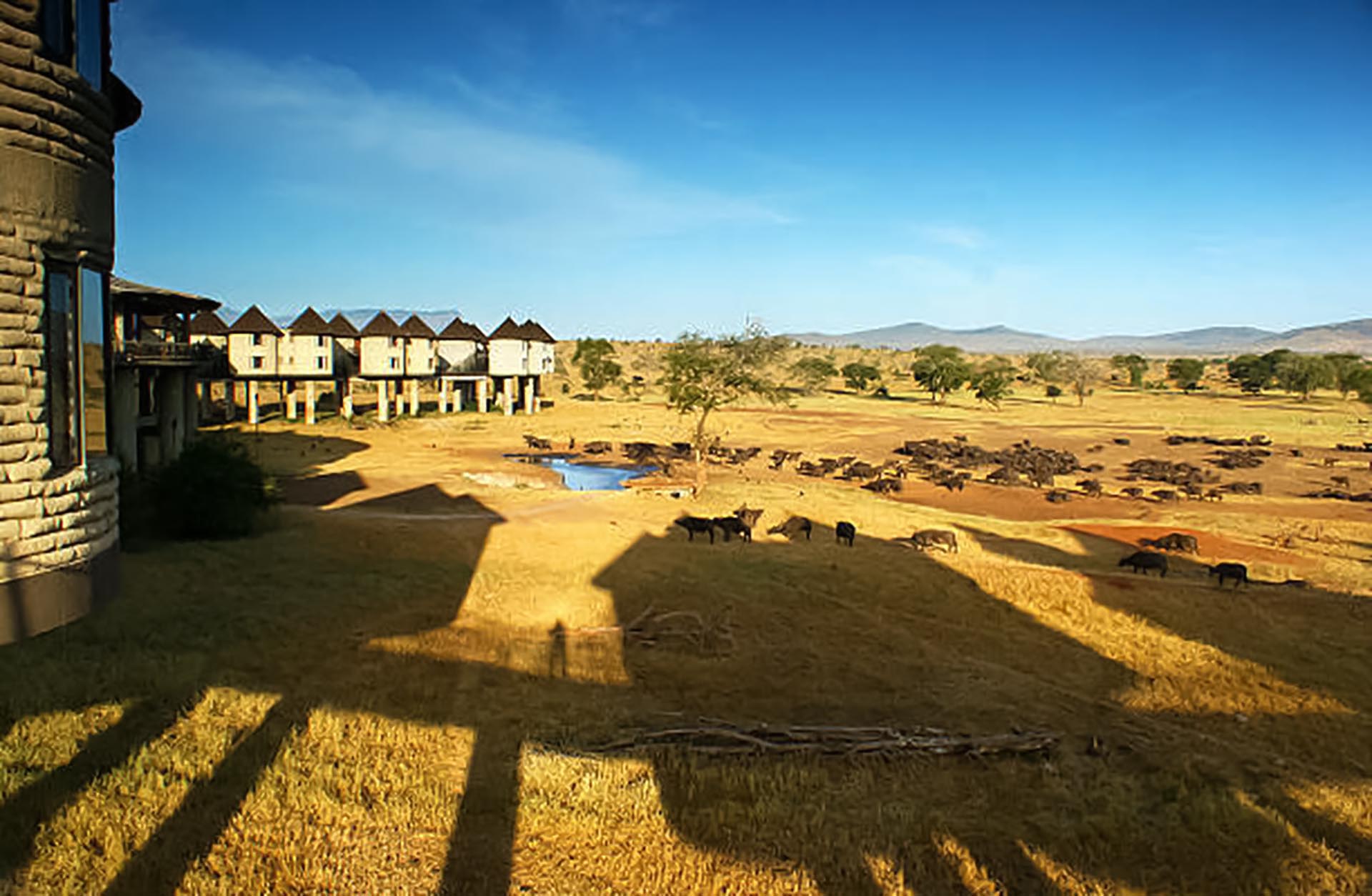
Every safari operator in East Africa knows the pattern. From July to October the vehicles are booked, the guides are stretched, and enquiries come in faster than you can answer. Then the rains arrive and the yard fills with parked Land Cruisers. Fixed costs do not stop: loan repayments, insurance, salaries and office rent continue through April and May.
Low season cannot be eliminated, but it can be shortened and softened. These are the approaches we see working for operators across the region.
Know your real low season
The quiet months differ by country and product, and a regional operator can shift vehicles to whatever is in season.
- Kenya: the long rains, roughly April to May, are the main low season, with a shorter dip in November during the short rains.
- Tanzania: the long rains, roughly March to May, are quiet on the northern circuit. January and February are high season in the southern Serengeti for the calving.
- Uganda and Rwanda: gorilla trekking runs all year, but March to May and October to November are wetter and quieter.
Pull three years of bookings by month to find your own pattern. Many operators discover their quiet period starts earlier and ends later than they assumed, because travellers book two to six months ahead.
1. Sell the green season honestly
Rain rarely falls all day in East Africa. The green season brings lush landscapes, newborn animals, migratory birds, dramatic skies for photographers, fewer vehicles at sightings, and lower lodge rates. Some travellers actively prefer that. Write about it honestly: what the roads are like, which camps close, what the rain is really like in each park, and who the trip suits. Pages that answer “Is April a good time for a Kenya safari?” or “Masai Mara in May” attract exactly the travellers you need, and many operators do not publish them at all.
2. Target the resident and regional market
Kenyan, Tanzanian, Ugandan and Rwandan residents travel during school holidays, Easter, Madaraka and Eid holidays and long weekends, many of which fall in or near the rains. They book at short notice, compare resident lodge rates, and pay by mobile money. Build a separate offer for them:
- Prices in local currency on a dedicated resident page.
- Short trips: two nights in the Mara or Naivasha, a weekend in Amboseli, a day trip to Nairobi National Park.
- Group and family pricing, and payment by M-Pesa or bank transfer in instalments.
- Promotion through Facebook, Instagram and TikTok, which reach local audiences far more cheaply than international search.
3. Corporate and conference groups
Companies and NGOs book team retreats, incentive trips and post-conference excursions year-round. Nairobi, Kigali and Arusha host international conferences throughout the year, and delegates often add a short safari. Contact conference organisers and hotels that host events and offer a ready-made one or two-day package with transfers.
4. Schools, universities and special interest
Educational groups, photography workshops, birding groups and research teams often prefer quieter months. The green season is peak birding season in much of East Africa because migrant species arrive. These niches have smaller, very specific search demand that is easier to rank for.
5. Lease vehicles and guides
Some operators rent vehicles with drivers to other companies, NGOs, film crews and researchers during quiet months. It is lower margin than a full safari, but it covers fixed costs. Self-drive 4×4 hire is another option for operators with the right insurance.
6. Plan marketing for the season before
Because international travellers book months ahead, low season marketing has to start early:
- Publish green season pages and offers by October for the following April and May.
- Run Google Ads for green season searches in source markets from December to March.
- Email past guests and agents with low season offers in January.
- Shift resident promotions to two to four weeks before each holiday.
Ad costs in source markets are often lower outside peak booking periods, so a fixed budget buys more clicks.
7. Price for occupancy, not just margin
An empty vehicle earns nothing. Many operators offer green season prices that cover direct costs plus a contribution to overheads, rather than holding peak prices. Work with lodges, which often give their best rates of the year in the rains, and pass the saving to travellers in a clear offer rather than a vague discount.
8. Use the quiet months to build
Low season is the best time to do the work that brings bookings later: update tour pages and prices, collect new photos, refresh your Google Business Profile, ask past guests for reviews, train guides on photography and storytelling, and fix your website. Marketing done in April shows up in bookings for August.
Where to start
For most operators, the fastest wins are a resident offer for the next holiday and one strong green season page per main destination. Our guides to digital marketing for safari companies, Google Ads for tour operators and winning direct bookings go deeper on each channel.
Frequently asked questions
When is the low season for safaris in Kenya?
Mainly during the long rains, around April and May, with a shorter quiet spell in November.
Is it worth going on safari in the rainy season?
For many travellers, yes: greener landscapes, newborn animals, fewer vehicles and lower prices. Some roads and camps are affected, so plan with an experienced operator.
How do I market safaris to Kenyan residents?
Use local currency prices, short trips around public holidays, mobile money payment, and social media ads targeted to Nairobi and other major towns.
Should I cut prices in low season?
Offer clear green season pricing that reflects lower lodge rates. Avoid deep last-minute discounts that train travellers to wait.