
What an SEO Agency in Nairobi Actually Does Each Month
A plain account of the work behind a monthly SEO retainer in Kenya: audits, page improvements, content, links and reporting, and what you should receive at the end of each month.
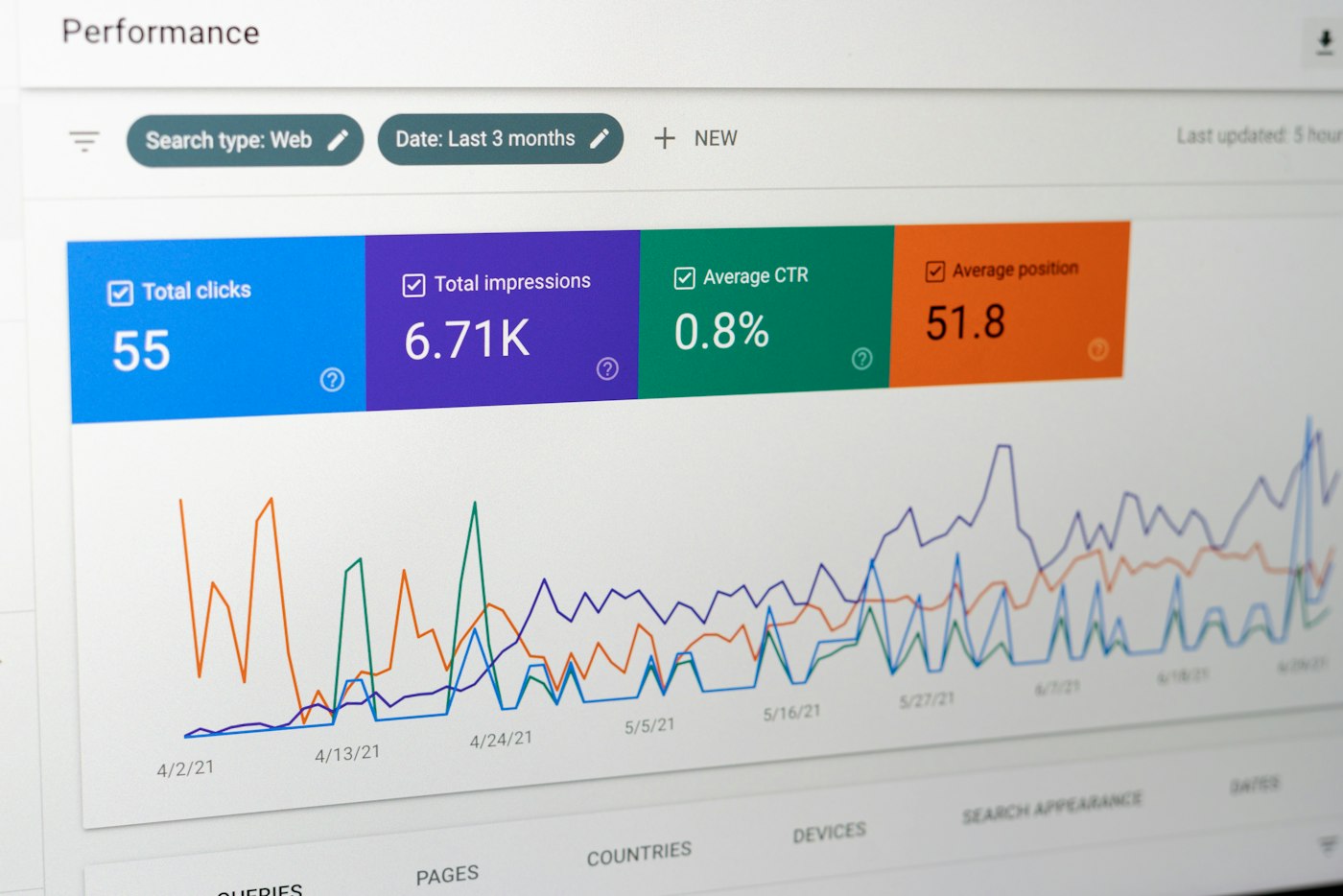
A monthly SEO retainer pays for five kinds of work: finding and fixing technical problems, improving the pages that sell, publishing content that answers buyer questions, earning links and mentions, and reporting on what changed. If your agency cannot show you something from most of those five each month, you are probably paying for a report.
Many Kenyan business owners sign an SEO contract without a clear picture of what happens after the first invoice. This guide sets out what the work looks like week by week, what you should receive, and how to check that it is being done.
Before the monthly work: the first 30 days
The first month is different from the rest. A good SEO agency in Nairobi will spend it understanding your business and your website before changing anything.
- Discovery: your services, margins, customers, service areas and what counts as a worthwhile enquiry.
- Access: the website, Google Search Console, Google Analytics and Google Business Profile, all kept in your name.
- Technical audit: indexing, crawl errors, redirects, site speed, mobile usability, duplicate pages and structured data.
- Keyword research and page mapping: which page should rank for which search, and which pages are competing with each other.
- Competitor review: who ranks for your target terms in Kenya and what their pages contain that yours do not.
- Tracking: making sure calls, forms and WhatsApp clicks are measured, so results can be tied to enquiries.
You should end the month with a prioritised plan: what will be fixed first, why, and what you need to provide.
The monthly cycle
Week 1: review and plan
Each month starts with the data. The agency checks Search Console for new errors, pages that dropped out of the index, and keywords that moved up or down. It reviews enquiries in Analytics and compares them with the previous month. From that, it sets the month’s priorities, which often change as results come in.
Week 2: technical and on-page work
This is the hands-on work on your website:
- Fixing broken links, redirect chains and pages returning errors.
- Improving loading speed and Core Web Vitals, usually by compressing images and removing unused scripts.
- Rewriting title tags and meta descriptions on priority pages.
- Improving headings, service explanations, prices and calls to action.
- Adding internal links from related articles to the pages you want to rank.
- Adding or correcting schema markup so Google understands your business details.
Week 3: content
New content supports the service pages. In a typical month that means one to four pieces, depending on the package: a guide answering a common buyer question, a comparison, a location page with genuine local detail, or a refresh of an older article that has slipped. Each piece is planned from a brief with a target keyword, the questions to answer and the pages it should link to.
Good content is specific to Kenya. It uses local prices in shillings, local examples and the phrases your customers actually type, which are not always the ones a keyword tool suggests.
Week 4: links, local signals and reporting
The final week is about reputation outside your website:
- Link building: outreach to relevant Kenyan publications, industry bodies, suppliers and partners. Quality matters far more than quantity.
- Digital PR: offering useful data, commentary or stories that journalists and bloggers want to reference.
- Citations: keeping your business name, address and phone number consistent across directories.
- Google Business Profile: posts, photos, updated services and replies to reviews.
Then comes the report and a call to discuss it.
What a monthly SEO report should contain
| Section | What you should see |
|---|---|
| Visibility | Clicks, impressions and average position from Google Search Console, compared with last month and last year |
| Keywords | Positions for your agreed target terms, and new terms you started appearing for |
| Enquiries | Calls, forms and WhatsApp clicks from organic search |
| Work completed | The pages fixed, content published and links earned, with URLs you can check |
| Issues | Problems found and anything waiting on your team |
| Next month | The planned priorities and what they are expected to change |
A report made only of keyword positions and a domain authority score does not tell you whether the business is growing.
What changes as the months go on
The balance of work shifts over time. In the first three months, most hours go into technical fixes and rewriting key pages. From months four to six, content and links take a larger share. After six months, the focus moves to defending positions, expanding into new services or towns, and improving how many visitors become customers. Our guide to what SEO is and how it works in Kenya covers the basics behind each of these stages.
What an agency needs from you
SEO is not something an agency can do entirely on its own. Expect to provide:
- Website access, or a developer who can make changes quickly.
- Accurate facts about services, prices, locations and staff.
- Photos of your team, premises and work.
- Approval of content within a few days, not a few weeks.
- Feedback on lead quality, so the targeting can improve.
How to check the work is being done
- Open Search Console yourself once a month and look at the Performance report.
- Ask for the list of URLs changed or published and open a few.
- Search for two or three target keywords in a private browser window.
- Ask where each new link came from and visit the page.
- Compare the hours or tasks in your contract with what was delivered.
If you are still choosing a provider, our comparison of the best SEO agencies in Kenya explains how to assess the work before the promise, and what SEO costs in Kenya shows what different budgets usually cover.
Frequently asked questions
How many hours does an SEO agency spend on my account each month?
It depends on the fee. As a rough guide, divide the monthly fee by the agency’s hourly rate. A serious programme usually involves several working days a month across a strategist, a writer and a technical specialist.
Why do I need SEO every month instead of once?
Competitors keep publishing, Google keeps updating and your own website keeps changing. One-off projects fix problems but rarely hold rankings in competitive markets.
Should I get new content every month?
Not necessarily. Improving an existing page that already has impressions often produces more than writing a new one. The plan should follow the data.
What if I see no change after three months?
Look at the leading indicators: indexed pages, impressions and average position. If those have not moved and the agency cannot explain why, ask for a revised plan or consider moving.
A good monthly retainer is visible. You can see the changes on your website, read the content, visit the links and follow the numbers. If you can, the work is real.