Why a New Tourism Website Gets No International Traffic
Why new safari, hotel and tour websites in East Africa get visitors from Kenya or Tanzania but almost none from the US, UK and Europe, and the seven fixes that change it.

A common story: a safari company or lodge launches a beautiful new website. A few weeks later, Google Search Console shows some visitors, but almost all of them are in Kenya or Tanzania, many searching the company name. Searches from the United States, the United Kingdom, Germany or Australia, where the paying travellers live, barely appear.
This happens for clear reasons, and most of them can be fixed. Here is what we check, in order.
First, measure it properly
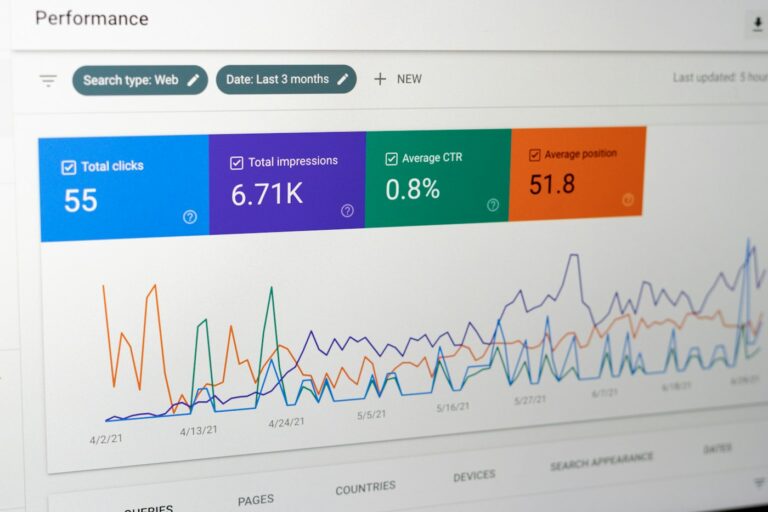
In Search Console, open Performance, then filter by country. Compare impressions and clicks from your source markets with your home market. Then look at the queries for each country. You will usually see one of three patterns:
- No impressions abroad at all: Google is not showing the site for international searches. A content and authority problem.
- Impressions but positions beyond 20: Google considers the site relevant but not strong enough. An authority and competition problem.
- Impressions on page one but few clicks: titles, descriptions and snippets are not persuasive. A presentation problem.
1. Your pages target local language, not traveller language
Local and international travellers search differently. A Kenyan might search for Mara packages for the Madaraka holiday. An American searches for things like Kenya safari for first timers, best time to see the great migration, or Masai Mara vs Serengeti. If your site only describes packages in brochure terms, it has nothing that matches the questions international travellers ask during months of research. Build guides that answer them, and link those guides to your tours.
2. Google has no evidence you are an authority
International safari searches are dominated by marketplaces, large tour companies and travel publishers with thousands of links. A new domain with a handful of local directory links cannot compete for broad terms yet. Authority builds through links from relevant international sites: travel writers and bloggers, partner lodges, conservation organisations, travel associations, overseas agents, and press coverage. One good link from a respected travel publication is worth more than dozens of low-quality directory listings.
3. You are targeting the hardest searches first
Kenya safari and Tanzania safari are among the most competitive travel searches in the world. A new site should start with specific, less contested searches it can actually win: named conservancies, particular itineraries, lodge combinations, special interests such as birding or photography, or months and seasons. Those pages build traffic and authority that later supports broader terms.
4. The site is slow for overseas visitors
A site hosted on a cheap server in one region can be slow for visitors on the other side of the world. Heavy photo galleries and video make it worse. Test your pages from different locations and use a content delivery network (CDN) so images and pages are served from servers near the visitor. Speed matters for both rankings and bookings.
5. Thin or duplicated content
Package descriptions copied from lodge websites, brochure text reused across ten itineraries, or AI-written travel guides that say nothing specific give Google no reason to rank you over established sites. First-hand detail wins: real driving times, which camps you use and why, what the roads are like after rain, photos from your own trips. Our guide to structuring safari package pages shows how.
6. Weak titles and snippets
If you appear but nobody clicks, look at how your result looks next to the marketplaces. Titles like Home or Tours tell travellers nothing. Use descriptive titles with the trip, duration and a reason to click, and meta descriptions that mention price, style or a unique detail.
7. Technical signals point to the wrong country
Most tourism sites should serve a global English audience from one version of the site. Problems arise when sites use a local country domain with only local signals, set the wrong language tags, or build separate country versions without correct hreflang tags. If you do publish in German, French or Spanish for specific markets, use hreflang to tell Google which page is for whom.
What a realistic timeline looks like
A new tourism website usually takes six to twelve months to build meaningful international organic traffic, faster for niche trips and slower for broad safari searches. In the meantime, Google Ads targeted at source markets, partnerships with overseas agents, and marketplaces can bring bookings while SEO builds. Our guide on Google Ads for safari companies covers targeting by country.
Country-specific notes
Kenya: Kenyan sites often rank well for resident searches, which can hide weak international performance in total traffic. Always filter by country. Tanzania: Arusha-based operators face very strong competition for northern circuit terms; southern parks and Zanzibar combinations are easier entry points. Uganda: gorilla trekking content that explains permits and logistics in depth can rank internationally quickly, because fewer sites cover it well. Rwanda: short luxury itineraries and Kigali conference add-ons are good niches.
We also saw on our own site in 2026 how one technical error, a robots.txt file blocking crawling, can make an otherwise good site invisible. Check the basics in our article on why websites do not rank in Kenya.
Frequently asked questions
Should a Kenyan safari company use a .com or .co.ke domain?
For an international audience, a .com is usually the simpler choice. A .co.ke can still rank internationally with strong content and links.
Does hosting in Kenya hurt international rankings?
Server location matters mainly for speed. With a CDN, a site hosted anywhere can load quickly worldwide.
How do I get links from international travel sites?
Work with partner lodges, travel writers, conservation projects and overseas agents, and publish genuinely useful guides they want to reference.
Why does my site rank in Kenya but not the US?
Google ranks separately by country. In the US you compete with far stronger sites, so you need more authority and more specific content.